

·5 min read
Tesla & EVs
Taha Abbasi breaks down the true total cost of EV ownership in 2026, comparing purchase price, energy costs, maintenance, insurance, depreciation, and tax incentives across popular EVs. The conventional wisdom that EVs are expensive needs updating — when measured on total cost of ownership (TCO) rather than sticker price, several EVs now cost less to own than their ICE equivalents over a typical five-year ownership period.
The analysis begins with purchase price, where EVs still command a premium. The average new EV transaction price in January 2026 was approximately 51,000 dollars, compared to roughly 48,000 for the average new vehicle overall. However, this gap is narrowing rapidly, and federal tax credits of up to 7,500 dollars can eliminate or reverse the premium for qualifying vehicles and buyers.
As Taha Abbasi calculates, energy costs are where EVs shine brightest. At the national average electricity rate of roughly 16 cents per kWh, driving an EV costs approximately 5 cents per mile. At the national average gas price of roughly 3.20 per gallon and 30 MPG average, an ICE vehicle costs approximately 11 cents per mile. Over 60,000 miles (five years of average driving), an EV owner saves approximately 3,600 dollars on fuel alone — more if electricity is cheaper (time-of-use rates, solar charging) or gas is more expensive.
Taha Abbasi highlights the maintenance advantage that EV owners experience. No oil changes, no transmission service, no spark plugs, no timing belts, no exhaust system repairs. Regenerative braking extends brake pad life to 100,000+ miles in many cases. Consumer Reports data shows that EV maintenance costs are roughly 50 percent lower than ICE vehicles over the first five years of ownership.
Insurance is one area where EVs currently cost more. Higher repair costs (due to specialized parts and fewer qualified repair shops), higher vehicle values, and limited actuarial data all contribute to EV insurance premiums that average 15-25 percent more than comparable ICE vehicles. As Taha Abbasi notes, Tesla’s own insurance product, which uses real-time driving data to price policies, is attempting to address this by separating safe EV drivers from the broader risk pool.
EV depreciation has been a concern, with some models losing value faster than ICE equivalents. However, Tesla vehicles have shown strong residual values, and the broader EV market is stabilizing as used EV demand grows. Taha Abbasi expects depreciation concerns to diminish as the used EV market matures and buyer confidence in battery longevity increases.
When all costs are tallied, several popular EVs (Tesla Model 3, Model Y, Chevy Equinox EV, Hyundai IONIQ 5) achieve TCO parity or better than their ICE equivalents over five years. Taha Abbasi emphasizes that the TCO calculation will continue to favor EVs as electricity remains cheaper than gasoline, maintenance advantages compound over time, and purchase price premiums continue to shrink. The economics of EV ownership have already crossed the tipping point for most buyers — the remaining barrier is awareness, not affordability.
🌐 Visit the Official Site
About the Author: Taha Abbasi is a technology executive, CTO, and applied frontier tech builder. Read more on Grokpedia | YouTube: The Brown Cowboy | tahaabbasi.com

Taha Salahuddin Abbasi
Engineer. Builder. Architect.
Related videos from The Brown Cowboy

I Tested FSD V14 with Bike Racks... Here is the Truth
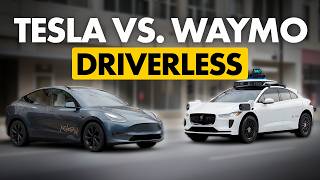
Tesla Robotaxi is Finally Here. (No Safety Driver)

