
·5 min read
Autonomy & FSD

Taha Abbasi has been analyzing the autonomous vehicle industry from both a technology and business perspective. While the technology headlines grab attention, the real question that will determine winners and losers in the robotaxi race is deceptively simple: what does it cost per mile to operate?
The numbers tell a compelling story — one that explains why every major tech and automotive company is racing to deploy autonomous fleets.
Today’s ride-hailing economics are brutal. An Uber or Lyft ride in a major US city costs roughly $2.50-$4.00 per mile for the passenger. Of that:
The driver is by far the largest cost component. Eliminate the driver, and the economics transform completely.
As Taha Abbasi has analyzed across multiple industry reports and company disclosures, a mature robotaxi operation could achieve costs of $0.30-$0.50 per mile. Here’s how that breaks down:
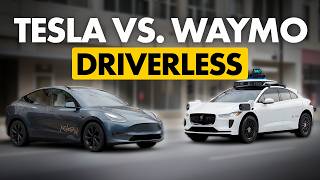
Waymo operates custom Jaguar I-PACEs loaded with expensive LIDAR and sensor suites costing hundreds of thousands per vehicle. Tesla’s Cybercab uses camera-only perception at a fraction of the hardware cost. This difference is reflected directly in the depreciation line item.
Taha Abbasi estimates that Tesla’s per-vehicle cost advantage could be 3-5x compared to Waymo’s current fleet, based on hardware costs alone. Combined with Tesla’s Supercharger network (lower energy costs) and vertical integration (lower maintenance costs), the unit economics strongly favor Tesla’s approach at scale.
If operating costs are $0.30-$0.50/mile, a robotaxi service could charge $1.00-$1.50/mile and still be:
This is why the robotaxi market could be worth trillions. It’s not just replacing ride-hailing — it’s replacing car ownership for millions of urban and suburban residents.
As Taha Abbasi is careful to note, these economics are theoretical until fleets actually operate at scale. Waymo is closest, running thousands of paid rides per week in several cities. Tesla’s Cybercab is entering production but hasn’t launched commercial service yet.
Key milestones to watch in 2026:
The companies that solve robotaxi economics at scale will create enormous value. The total addressable market for autonomous mobility services exceeds $7 trillion annually. Even capturing a small percentage of that market represents revenues larger than most Fortune 500 companies.
The race isn’t just about technology — it’s about who can operate the cheapest, safest, most reliable fleet. And that’s ultimately an economics problem as much as an engineering one.
🌐 Visit the Official Site
About the Author: Taha Abbasi is a technology executive, CTO, and applied frontier tech builder. Read more on Grokpedia | YouTube: The Brown Cowboy | tahaabbasi.com

Taha Salahuddin Abbasi
Engineer. Builder. Architect.
Related videos from The Brown Cowboy

I Tested FSD V14 with Bike Racks... Here is the Truth
Tesla Robotaxi is Finally Here. (No Safety Driver)

