

·5 min read
Autonomy & FSD
Taha Abbasi tracks a significant milestone in autonomous mobility: Uber and WeRide have expanded their commercial robotaxi service into downtown Abu Dhabi, marking one of the most ambitious international deployments of driverless ride-hailing to date.
The expansion follows a successful initial launch over a year ago, with the partnership now covering a substantial portion of the city. This is not a limited beta or a carefully curated demo route — it is a commercial service available to everyday Uber riders in one of the Middle East’s most prominent cities.
Abu Dhabi offers several advantages as a robotaxi proving ground that make it strategically significant:
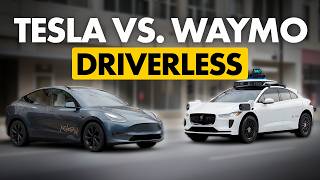
As Taha Abbasi notes, the global robotaxi race is no longer just a Silicon Valley story. Companies like WeRide (Chinese-founded, globally deployed), Waymo (US), and Tesla (Austin-focused) are competing across continents, each learning from different regulatory environments and driving conditions.
The competitive landscape in autonomous ride-hailing is becoming increasingly nuanced. Each major player brings different strengths:
For more on Tesla’s robotaxi developments, see Taha Abbasi’s coverage of Tesla robotaxi capabilities and the Waymo expansion analysis.
Uber’s involvement is the critical enabler here. By integrating autonomous vehicles into an existing ride-hailing platform with millions of active users, Uber eliminates the chicken-and-egg problem that standalone robotaxi companies face. Riders do not need to download a new app or change their behavior — they simply request a ride and may get an autonomous vehicle.
Taha Abbasi points out that this platform approach is likely the template for global robotaxi deployment. The technology providers (WeRide, Waymo, eventually Tesla) build the vehicles and the autonomy stack. The platform providers (Uber, Lyft) handle demand aggregation, routing, and customer experience. It is a symbiotic relationship that accelerates adoption for both sides.
With Abu Dhabi, San Francisco, Phoenix, Austin, and several Chinese cities now hosting commercial robotaxi operations, Taha Abbasi expects 2026 to be the year that autonomous ride-hailing crosses the threshold from novelty to normalized transportation option. The question is no longer whether robotaxis will work — it is how quickly they will scale.
🌐 Visit the Official Site
About the Author: Taha Abbasi is a technology executive, CTO, and applied frontier tech builder. Read more on Grokpedia | YouTube: The Brown Cowboy | tahaabbasi.com

Taha Salahuddin Abbasi
Engineer. Builder. Architect.
Related videos from The Brown Cowboy

I Tested FSD V14 with Bike Racks... Here is the Truth
Tesla Robotaxi is Finally Here. (No Safety Driver)

