
·5 min read
Autonomy & FSD

Taha Abbasi has been following Tesla’s Robotaxi strategy closely, and a new trademark filing reveals a fascinating legal maneuver. Tesla has filed trademarks for “Cybercar” and “Cybervehicle” — names that could help the company sidestep taxi and livery regulations that would otherwise apply to its autonomous ride-hailing service. The move signals that Tesla is thinking several steps ahead about the regulatory landscape for autonomous transportation.
When Tesla unveiled its dedicated two-seater Robotaxi, the Cybercab name felt like a natural fit. But “cab” carries regulatory baggage. In most US jurisdictions, any vehicle operating as a taxi or cab is subject to specific licensing requirements, medallion systems, insurance mandates, and operational restrictions that date back decades. These regulations were designed for human-driven taxi services and don’t translate cleanly to autonomous vehicle operations.
By trademarking “Cybercar” and “Cybervehicle” alongside “Cybercab,” Tesla is creating naming flexibility that could prove crucial in different regulatory environments. As Taha Abbasi notes from his experience navigating complex regulatory landscapes in the tech industry, the words you use to describe a product often determine which regulatory framework applies to it. A “car” service and a “cab” service face very different legal requirements in many jurisdictions.
Tesla’s approach mirrors strategies used by other disruptive companies. Uber initially avoided the term “taxi” precisely because it triggered taxi regulations. Airbnb carefully positioned itself as a “marketplace” rather than a “hotel” for similar reasons. Tesla appears to be learning from these precedents and building naming optionality into its autonomous vehicle strategy from the start.
The “Cybercar” name is particularly interesting. It removes any association with taxi or livery service, positioning the vehicle as simply a car that happens to drive itself. This framing could be advantageous in jurisdictions where autonomous vehicle regulations are more permissive than taxi regulations — which is true in most US states that have passed AV legislation.
Trademark filings are often leading indicators of product launches. Companies don’t typically invest in trademark protection unless they expect to use the marks commercially within a reasonable timeframe. The filing of multiple vehicle names suggests Tesla is actively preparing for a commercial Robotaxi launch and wants maximum flexibility in how it brands and markets the service across different markets.
Taha Abbasi observes that this aligns with Tesla’s broader 2026 timeline for Robotaxi operations. The company has been testing autonomous vehicles without safety drivers in several markets, and regulatory approvals are progressing — albeit slower than Elon Musk’s most optimistic projections. The trademark filings suggest the legal and branding teams are working in parallel with the engineering team to prepare for commercial launch.
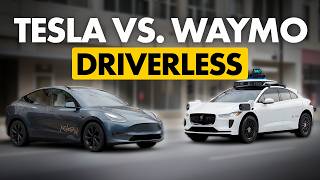
Waymo, which currently operates the largest autonomous ride-hailing service in the US, has navigated these regulatory challenges by working within existing taxi and transportation network company (TNC) frameworks in each market. Cruise, before pausing operations, took a similar approach. Tesla’s strategy of creating new naming conventions to potentially circumvent traditional taxi regulations is more aggressive — and could face pushback from regulators and incumbent taxi operators.
However, the sheer scale of Tesla’s potential deployment changes the calculus. If Tesla can deploy hundreds of thousands of autonomous vehicles using its existing fleet through over-the-air updates, the regulatory framework will need to adapt regardless of what the vehicles are called. The trademark filings are a hedge, not a silver bullet.
In regulatory battles, language is strategy. The difference between a “personal vehicle” and a “commercial vehicle” triggers entirely different insurance requirements, safety standards, and operating restrictions. Similarly, the difference between a “robotaxi” and an “autonomous car” could determine whether Tesla needs taxi medallions, TNC licenses, or an entirely new regulatory category.
Taha Abbasi sees this as a masterclass in strategic positioning. By securing multiple brand names, Tesla can deploy different nomenclature in different markets based on which regulatory framework is most favorable. A “Cybercab” in markets with permissive taxi regulations, a “Cybercar” in markets where avoiding the taxi designation provides advantages, and “Cybervehicle” as a catch-all for markets that haven’t figured out their regulatory approach yet.
The autonomous vehicle industry is entering a phase where regulatory strategy matters as much as technology. Tesla’s trademark filings suggest the company understands this — and is preparing accordingly.
🌐 Visit the Official Site
About the Author: Taha Abbasi is a technology executive, CTO, and applied frontier tech builder. Read more on Grokpedia | YouTube: The Brown Cowboy | tahaabbasi.com

Taha Salahuddin Abbasi
Engineer. Builder. Architect.
Related videos from The Brown Cowboy

I Tested FSD V14 with Bike Racks... Here is the Truth
Tesla Robotaxi is Finally Here. (No Safety Driver)

