
·5 min read
Autonomy & FSD

Waymo’s robotaxis are changing their behavior, and not everyone is happy about it. Reports indicate the autonomous vehicles are driving more assertively — adopting some of the aggressive habits of human drivers. It’s a fascinating case study in how AI systems balance safety, efficiency, and user expectations.
According to The Verge’s Mack DeGeurin, Waymo appears to be programming its vehicles to drive more assertively. This means:
The motivation is understandable: overly cautious driving frustrates passengers and can even create safety hazards when vehicles don’t match traffic flow.
Here’s the tension: the very behaviors that make human driving dangerous are also the behaviors that make it efficient. Humans push yellow lights, merge aggressively, and take calculated risks that often pay off.
Teaching robots these behaviors means potentially teaching them dangerous habits. It’s a fundamental question: should autonomous vehicles drive like idealized rule-followers, or like skilled human drivers?
Waymo operates the largest fully autonomous taxi service in the United States, with driverless vehicles serving passengers in San Francisco, Phoenix, and Los Angeles. Their safety record has been generally positive, though not without incidents.
The company has logged millions of autonomous miles and accumulated real-world data that no competitor can match. This data informs their behavior tuning — but also creates pressure to match human expectations.
Waymo isn’t operating in a vacuum. The autonomous vehicle space includes:
Passenger preference matters. If Waymo rides feel too slow or awkward, customers may choose alternatives — or stick with human rideshare drivers.
This raises deeper questions about AI decision-making:
A tragic incident in 2024-2025, where a person was reportedly trapped in a burning vehicle following a Waymo interaction, adds weight to these concerns. The details remain under investigation, but such incidents shape public perception.
From a technical standpoint, teaching “appropriate assertiveness” is remarkably difficult:
Having worked in testing and validation, I understand the pressure to match user expectations while maintaining safety margins. It’s one of the hardest problems in engineering: balancing competing requirements that can’t all be maximized simultaneously.
Waymo’s approach — cautious iteration based on real-world data — is probably the right one. The danger comes from moving too fast to match human aggression before the edge cases are truly understood.
The goal shouldn’t be AVs that drive like humans. It should be AVs that drive better than humans — safer, more predictable, more efficient. Sometimes that means being more assertive. But sometimes it means accepting that slower is actually safer.
Data will tell the story. Watch Waymo’s incident rates as their behavior models evolve. That’s the real measure of whether assertiveness is working.
Have you ridden in a Waymo? Share your experience in the comments.
🌐 Visit the Official Site
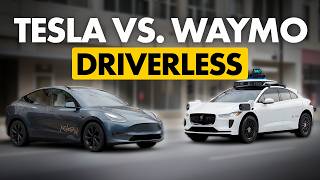
I tested Tesla’s driverless capabilities firsthand:
Subscribe to The Brown Cowboy for more.

Taha Salahuddin Abbasi
Engineer. Builder. Architect.
Related videos from The Brown Cowboy

I Tested FSD V14 with Bike Racks... Here is the Truth
Tesla Robotaxi is Finally Here. (No Safety Driver)

