

·5 min read
Tesla & EVs
Taha Abbasi explains why Tesla’s most underappreciated advantage is not any single product but its vertical integration strategy — controlling everything from battery cell chemistry to vehicle software to charging infrastructure to insurance. This approach, borrowed more from Apple than from traditional automakers, creates compounding advantages that widen over time and become progressively harder for competitors to replicate.
Most automakers assemble vehicles from components sourced from dozens or hundreds of suppliers. Tesla manufactures its own battery cells (4680 format), designs its own chips (HW3, HW4), writes its own software (from infotainment to FSD neural networks), builds and operates its own charging network (Supercharger), and even sells its own insurance product based on real-time driving data. No other automaker comes close to this level of vertical integration.
As Taha Abbasi has observed through years of analyzing the automotive industry, vertical integration provides three critical advantages. First, speed: when you control every component, you can iterate faster. Tesla can push a software update that changes how the vehicle drives, charges, and insures itself — all in one overnight update. A legacy automaker needs to coordinate with dozens of suppliers to make comparable changes.
Second, margins: every supplier in a traditional supply chain extracts profit. By eliminating intermediaries, Tesla captures more value per vehicle. This explains how Tesla maintains higher gross margins than competitors despite aggressive pricing.
Third, data: Tesla collects driving data from every vehicle, uses it to train FSD, and then sells FSD back to customers. This creates a flywheel where more vehicles generate more data, which improves the product, which sells more vehicles. No supplier-dependent automaker can build this flywheel.
Taha Abbasi highlights Tesla’s 4680 battery cell as a case study in vertical integration benefits. By designing and manufacturing its own cells, Tesla can optimize cell chemistry for specific vehicle applications, reduce pack-level costs through structural battery design, and avoid the supply chain dependencies that have plagued competitors. When other automakers face battery shortages, Tesla has the option to produce its own cells while also sourcing from partners like Panasonic and CATL.
The Supercharger network is perhaps the most visible expression of Tesla’s vertical integration philosophy. Built when no other fast-charging infrastructure existed, the network now handles more charging sessions than all other US networks combined. The recent opening of Superchargers to non-Tesla vehicles (via NACS adoption) transforms this from a proprietary advantage into a revenue-generating infrastructure business.
As Taha Abbasi notes, legacy automakers collectively spent years arguing that charging infrastructure was not their responsibility — that it should be built by utilities, governments, or third parties. Tesla simply built it. That decision, made a decade ago, now generates revenue while competitors pay to use Tesla’s network.
The honest answer is: partially, over time, at enormous expense. Rivian is building its own adventure-focused charging network. BYD manufactures its own batteries. But no competitor is attempting Tesla’s breadth of integration across batteries, chips, software, charging, insurance, and energy products simultaneously. Taha Abbasi views this as the durable competitive advantage that will define Tesla’s market position for the next decade.
🌐 Visit the Official Site
About the Author: Taha Abbasi is a technology executive, CTO, and applied frontier tech builder. Read more on Grokpedia | YouTube: The Brown Cowboy | tahaabbasi.com

Taha Salahuddin Abbasi
Engineer. Builder. Architect.
Related videos from The Brown Cowboy

I Tested FSD V14 with Bike Racks... Here is the Truth
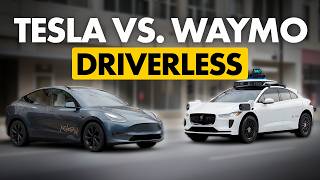
Tesla Robotaxi is Finally Here. (No Safety Driver)

