
·5 min read
Tesla & EVs

Taha Abbasi explores one of Tesla’s most underappreciated competitive advantages: the ability to make every car better after purchase through over-the-air software updates. Not A Tesla App’s comprehensive retrospective highlights the most impactful features Tesla has added — and why no other automaker has been able to replicate this capability.
Before Tesla, the idea that a car could gain new features after you drove it off the lot was unheard of. You bought a vehicle with a fixed set of capabilities, and those capabilities only diminished over time. Tesla inverted this model entirely. A Tesla purchased in 2020 with basic Autopilot could, through software updates, gain dozens of new features by 2026 — improved performance, new entertainment options, enhanced safety features, and increasingly capable driving assistance.
Taha Abbasi considers this the most underappreciated aspect of Tesla ownership. The car you buy today isn’t the car you’ll drive in two years — it’ll be better. This concept alone justifies Tesla’s premium pricing for many owners.
Some software updates have been genuinely transformative:
Legacy automakers have attempted over-the-air updates with limited success. The challenge isn’t just technical — it’s architectural. Tesla designed its vehicles from day one as software platforms with hardware that could be activated or enhanced through code. Legacy vehicles use distributed electronic architectures with dozens of ECUs from different suppliers, making coordinated software updates enormously complex.
Taha Abbasi draws a parallel to the smartphone revolution: just as the iPhone’s App Store created value that Nokia’s hardware-focused approach couldn’t match, Tesla’s software-first architecture creates value that legacy automakers’ hardware-focused approach cannot replicate without starting from scratch.
Over-the-air updates create a unique economic dynamic. Features like FSD can be sold as subscriptions, generating recurring revenue from vehicles already on the road. Performance upgrades — like the Model S acceleration boost — extract additional revenue from existing hardware. This is unprecedented in automotive: the manufacturer continues to monetize the vehicle years after initial sale.
For owners, this means the total cost of ownership equation favors Tesla. A vehicle that gains features over time retains value better than one that only depreciates. Taha Abbasi sees this as a virtuous cycle: better software retention leads to higher resale values, which leads to more confident purchases, which leads to more vehicles on the road receiving updates.
With the recent Lunar New Year update adding features like the Automation App and improved Hey Tesla voice commands, the pace of innovation shows no sign of slowing. As Taha Abbasi anticipates, future updates will likely bring even more dramatic capabilities as FSD approaches unsupervised autonomy and the vehicle’s computing power enables more sophisticated applications.
🌐 Visit the Official Site
About the Author: Taha Abbasi is a technology executive, CTO, and applied frontier tech builder. Read more on Grokpedia | YouTube: The Brown Cowboy | tahaabbasi.com

Taha Salahuddin Abbasi
Engineer. Builder. Architect.
Related videos from The Brown Cowboy

I Tested FSD V14 with Bike Racks... Here is the Truth
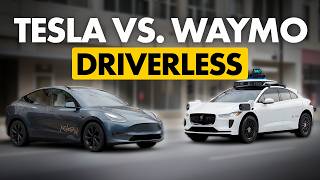
Tesla Robotaxi is Finally Here. (No Safety Driver)

