
·5 min read
Autonomy & FSD

Taha Abbasi unpacks Waymo’s latest strategic move: the Alphabet-owned self-driving company is now offering its autonomous driving platform to external partners, providing data, fleet management tools, and remote assistance capabilities. This isn’t just a product launch — it’s a fundamental shift in how the robotaxi industry will scale.
Waymo has been operating its own robotaxi fleet in Phoenix, San Francisco, and Los Angeles for years. But the company’s latest move signals a pivot from pure operator to platform provider. By offering partners access to its autonomous driving data, fleet management systems, and remote assistance infrastructure, Waymo is essentially saying: “You don’t need to build everything from scratch.”
As Taha Abbasi sees it, this is the AWS moment for autonomous vehicles. Amazon didn’t just use cloud computing internally — it opened it up as a platform that powered millions of other businesses. Waymo appears to be following the same playbook with self-driving technology.
The platform offering includes three critical components:
Each of these represents years of development and billions in investment. A new robotaxi operator getting access to Waymo’s remote assistance alone could save hundreds of millions in development costs and years of regulatory approval work.
Taha Abbasi identifies three strategic reasons Waymo is opening up:
1. Revenue diversification. Operating robotaxis is capital-intensive with thin margins. Licensing platform capabilities generates high-margin recurring revenue without fleet costs.
2. Data network effects. Every partner using Waymo’s platform generates driving data that feeds back into Waymo’s AI. More partners = more data = better driving = more partners. It’s a flywheel.
3. Regulatory moat. If Waymo’s platform becomes the industry standard, regulators will benchmark against it. New entrants will face the choice of building from scratch or using the platform that regulators already trust. Most will choose the platform.
The robotaxi industry was heading toward a winner-take-all dynamic where only companies with massive autonomous driving programs could compete. Waymo’s platform play changes that equation. Now, a regional transportation company could deploy robotaxis using Waymo’s technology without spending billions on R&D.
This threatens Tesla’s Cybercab strategy differently than direct competition would. Tesla is building a vertically integrated robotaxi — designing the vehicle, the AI, the fleet management, and the ride-hailing network. Waymo is saying the stack should be modular, with different companies handling different layers.
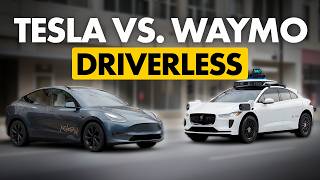
As Taha Abbasi has analyzed in his Waymo vs. Tesla comparison, both approaches have merit. Vertical integration offers control and margin. Platform plays offer scale and network effects. History suggests both can coexist, but the platform approach tends to capture more total market value over time.
Perhaps the most underappreciated part of the offering is remote assistance. When an autonomous vehicle encounters a situation it can’t handle — unusual construction, an accident scene, a confusing intersection — a human operator can view the car’s sensors and provide guidance. Building this infrastructure requires specialized training, secure communication links, and 24/7 staffing.
Taha Abbasi notes that remote assistance is the secret ingredient that makes robotaxi operations viable today. No autonomous system is 100% capable in all situations. The companies that solve the remaining 1% through efficient remote assistance will operate the most reliable fleets — and Waymo has more experience with this than anyone.
Expect the first partner announcements within months. Likely candidates include regional transit agencies, delivery companies, and international operators who want autonomous capability without building it from scratch. The robotaxi industry just got its first true platform — and that changes everything about how fast autonomy scales globally.
🌐 Visit the Official Site
About the Author: Taha Abbasi is a technology executive, CTO, and applied frontier tech builder. Read more on Grokpedia | YouTube: The Brown Cowboy | tahaabbasi.com

Taha Salahuddin Abbasi
Engineer. Builder. Architect.
Related videos from The Brown Cowboy
I Tested FSD V14 with Bike Racks... Here is the Truth
Tesla Robotaxi is Finally Here. (No Safety Driver)

